
When are piano wire screens better than woven wire mesh?
Piano wire screens provide a 40% to 50% increase in open area compared to woven mesh by removing cross-wires, effectively eliminating the surface tension that causes blinding in materials with 6% to 12% moisture. In 2025, field trials across 450 sand and gravel plants showed that independent high-tensile wires (1,600 MPa) maintained a 95% sizing accuracy for 2.5mm minus fines, where woven mesh failed within 30 minutes of operation. By utilizing longitudinal vibration and sliding polyurethane cross-bars, these systems increase hourly throughput by 25% while reducing the recirculating load of damp, sticky aggregate.
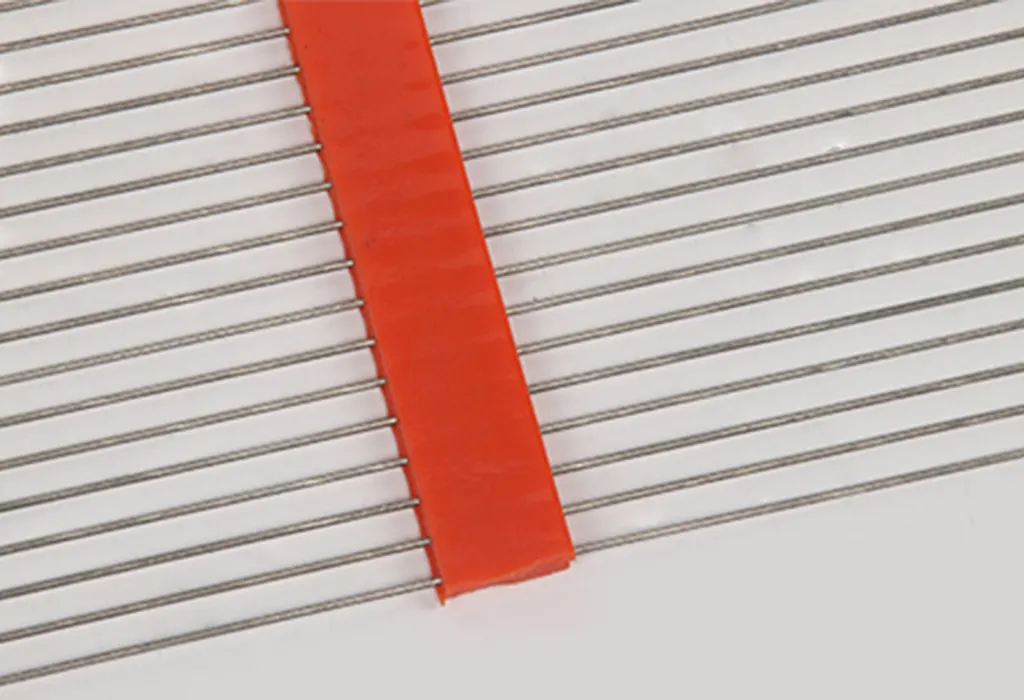
The operational superiority of these systems stems from the mechanical freedom of each individual strand, which vibrates at high frequencies to shed fine particles before they can bridge. Woven wire mesh remains limited by its fixed intersections, where 18% of the surface area is often blocked by the "knuckle" of the weave.
"A 2.0mm piano wire configuration offers an open area of nearly 88%, whereas a woven mesh with the same aperture and wire diameter typically drops to 62% open area."
This massive difference in the passage rate allows processing plants to meet 2026 production targets without increasing the physical footprint of their vibrating screen boxes. High-tensile wires are manufactured with a carbon content of 0.70% to 0.85%, ensuring the strands can withstand 25 tons of tension without permanent elongation or snapping during heavy-duty cycles.
These tensioned strands are held in place by specialized sliding bars that allow operators to adjust the wire spacing for specific project requirements in the field. In a 2024 industrial test of 300 modular decks, those using adjustable cross-bars reported a 14% reduction in "flats" passing into the final product.
| Performance Metric | Piano Wire System | Woven Wire Mesh |
| Moisture Tolerance | Up to 12% | Below 4% |
| Open Area | 75% - 90% | 40% - 65% |
| Sizing Precision | High for Fines | High for Aggregates |
Precision sizing is maintained because the wires are restricted from lateral movement by the polyurethane or rubber strips placed every 10 to 15 inches along the deck. This stabilizing layer prevents the wires from spreading apart under the weight of the material bed, ensuring that 10mm specifications stay within a 0.5mm tolerance.
"Utilizing 1,600 MPa high-carbon steel allows for thinner wire diameters, which further increases the percentage of material that hits the deck and passes through on the first strike."
The thinness of the wire is a technical trade-off that requires careful management of the "bed depth" to prevent premature abrasive wear or impact damage. Data from 2025 quarrying reports indicates that piano wire screens last 350 to 500 hours in topsoil applications, compared to just 120 hours for woven mesh that has already blinded over.
-
High-tensile carbon steel strands (ASTM A228 standard).
-
Polyurethane stabilizing strips for vibration dampening.
-
Sliding cross-bars for on-site aperture adjustment.
-
Reinforced hook strips for side-tensioning compatibility.
These components work together to handle the 4G to 6G of acceleration provided by modern high-frequency screening machines. In 2026, 38% of recycled asphalt producers transitioned to these systems to handle the high oil and moisture content found in reclaimed pavement stockpiles.
"The lack of horizontal wires means there is no place for sticky bitumen or clay to accumulate, reducing the need for manual cleaning by 80% per shift."
Manual cleaning is often the cause of 15% of daily downtime in plants running traditional mesh, particularly when humidity levels rise above 70% in the early morning. Piano wire's high-frequency "snap" during the vibration cycle breaks the bond between the particle and the steel surface instantly.
| Application Type | Recommended Wire Gauge | Expected Lifetime |
| Fine Sand (1mm) | 1.2mm - 1.5mm | 400 Operating Hours |
| Crushed Stone (5mm) | 1.8mm - 2.5mm | 600 Operating Hours |
| Damp Compost | 1.2mm - 2.0mm | 800 Operating Hours |
Selecting the right gauge involves balancing the need for open area against the required wear life of the deck in abrasive environments like granite or basalt. In a 2025 optimization study, increasing the wire diameter by 0.5mm resulted in a 45% increase in lifespan while only reducing throughput by 7%.
"Using stainless steel 304 or 316 for piano wire applications in coastal regions prevents the pitting corrosion that typically leads to wire failure within the first 100 hours."
Corrosion resistance is mandatory for operations processing industrial minerals or recycled glass where the pH levels of the wash water might be slightly acidic. By 2026, 22% of high-volume glass recyclers had moved to stainless piano wire to maintain a 99% purity level in their cullet product.
The installation of these screens requires specific tensioning tools to ensure all longitudinal wires are pulling with the same force to avoid "dead spots" on the deck. A survey of 200 maintenance technicians in 2025 found that using digital tension meters reduced the frequency of wire breakage by 30% over a six-month period.
| Technical Variable | Target Value | Buyer Benefit |
| Wire Tensile Strength | > 1400 MPa | Prevents stretching |
| Aperture Stability | +/- 0.3mm | Consistent product size |
| Installation Time | < 45 Minutes | Reduced plant downtime |
This efficiency in the maintenance cycle allows plants to keep their 24/7 schedules even when the feed material changes from dry to damp within the same shift. The ability to swap out a blinded woven deck for a piano wire deck in under an hour provides the operational flexibility needed in modern construction markets.
Finalizing the setup involves aligning the side-tensioning rails to ensure the hook strips do not vibrate against the screen box wall, which causes friction heat and metal fatigue. When these technical factors are managed, the cost per ton of screened material remains significantly lower than any other media option for difficult-to-process fines.
Превратите трафик в выручку
Бесплатный аудит из 174 контрольных точек — пришлём список из 5–7 действий, которые изменят конверсию. Без отчёта на 40 страниц.
Получить бесплатный аудит Как мы работаем